
DMC youth football beside the Boyne
DMC Boyne FC gives Drogheda players a named youth route through the North East football pathway.
Club identity
DMC Boyne FC is the DMC youth side presented in the North East Regional League pathway, with its football identity tied to Drogheda Marsh Crescent and the Drogheda area beside the River Boyne.
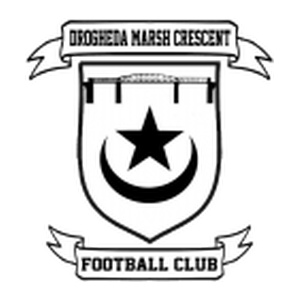
The crest carries the Drogheda Marsh Crescent name, black and white shield work, a central football and star mark, and a direct Football Club ribbon. The page keeps that DMC identity at the centre while giving families a clear view of the Boyne youth route.
Drogheda and the Boyne
The club name gives this page a clear local anchor: Drogheda, County Louth, and the wider football corridor along the Boyne. That setting matters for parents and visiting teams because it places the team within one of the main football towns in the North East region.
Drogheda football also has a strong school age and youth culture. A youth side carrying the DMC name gives players a route that feels close to home while still placing them in a regional competition setting.
Visitor anchor: Drogheda, County Louth. Confirm the exact pitch entrance and meeting point with the organiser before travelling.
Youth Premier pathway
DMC Boyne FC is connected with the Youth Premier level in the North East football structure. That places the team in a demanding teenage pathway where players are expected to manage regular training habits, match preparation, travel, and responsibility inside a squad.
At youth level, the football becomes more than weekly participation. Players are learning how to organise themselves, recover properly, read the game, support team mates and stay consistent through a season.
From school age to youth football
The DMC pathway gives teenage players a named step after the earlier school age years. That is an important transition because the game becomes faster, more physical and more tactical as players move toward adult football.
A useful youth club environment keeps the football demanding without losing the community base. Parents should expect clearer communication, stronger attendance habits and a bigger role for player responsibility as the group gets older.
Club colours and badge
The DMC badge used for this profile is built around black and white, with the shield, football and ribbon giving the club a simple and direct visual identity. The design is compact, strong at small sizes and easy for team cards to recognise.
For match planning, families should still confirm the day’s kit colour with the team organiser. Youth football often needs practical colour checks when opponents use similar shirts or when an away change is requested.
DMC pathway role
The DMC Boyne name is useful because it separates this youth group from a generic town listing. It gives families a clear club label to look for when checking messages, team cards and local football conversations.
That clarity matters in a busy regional area. Drogheda has several football identities, and a named DMC youth route helps players, parents and visiting teams understand which group they are dealing with before match day.
Match day planning
Families travelling to a DMC Boyne fixture should confirm the pitch, arrival time, kit colour, age group, parking point and weather plan before leaving. Drogheda traffic and ground access can vary by day, so the organiser’s message should guide the final plan.
Players should bring boots, shin guards, water, layers and any required identification. Youth football works best when players arrive early enough to settle, warm up and understand the plan before kick off.
What parents can expect
A youth team at this level asks for steady support from parents and guardians. That means keeping communication clear, helping players arrive on time, respecting coaches and officials, and giving teenagers room to take ownership of their own football.
The best support is practical and calm. Encourage the player to prepare properly, listen to the coaching message and stay positive through selection, travel, weather and changing match conditions.
Joining or helping
A first enquiry should include the player’s age, school year, home area, playing experience and parent or guardian contact details. That helps volunteers guide the player toward the correct squad or next training opportunity.
Adults who can help with transport, supervision, coaching support, equipment or communication should mention that early. Youth football depends on reliable volunteers as much as it depends on the players on the pitch.