
West Sligo football with Villa roots
Dromore Villa FC gives players in the Dromore West area a local route into Sligo Leitrim football.
Club identity
Dromore Villa FC is a West Sligo football club connected with the Dromore West area and the Sligo Leitrim football pathway. The Villa name, the Dromore venue connection and the youth football identity sit together in one clear local picture.
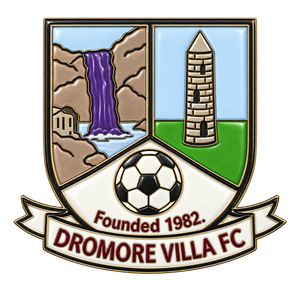
The crest gives the club a distinctive look: a tower, hillside scene, waterfall, football and foundation year sitting above a maroon Dromore Villa FC ribbon.
West Sligo home area
Dromore West gives the club a coastal and rural Sligo setting, with local football drawing from the communities between the west of the county and the wider Sligo Leitrim game.
That location matters for parents and away teams. Travel planning should allow for rural roads, weather, parking and the final meeting point with the team organiser.
Visitor anchor: Dromore West, County Sligo. Confirm the exact pitch entrance and meeting point with the organiser before travelling.
Villa and Dromore naming
The club is commonly seen through the Dromore Villa FC name, while the venue path also carries the Dromore United FC wording. For families, the useful reading is simple: this is the Dromore West football route in the Sligo Leitrim structure.
Keeping both names in view helps visiting teams and parents recognise the same local football setting when different club lists or venue headings use slightly different wording.
Youth and girls football
Dromore Villa has a history in girls and school age football, with West Sligo girls teams representing the area in youth finals and local competitions. That gives families useful context beyond one current team entry.
A rural club pathway often depends on committed families, volunteer coaching and steady communication. The local route should be easy to understand before players arrive at training or match day.
League pathway
Dromore Villa sits within the Sligo Leitrim football environment, where local clubs share a mix of school age, junior and community football structures. For a player, that means the club can connect local identity with county wide opposition.
The pathway is especially important in rural areas because regular football keeps players engaged through changing school years, travel demands and different levels of confidence.
Community football role
The club has a local community role around Dromore West, with players, parents and volunteers forming the practical base of the football activity. That kind of structure is how rural clubs keep teams organised across long seasons.
For new families, the important first step is joining the right age group conversation, learning the training routine and understanding what is expected for match day attendance.
Badge and colours
Dromore Villa’s visual identity is built around maroon lettering, white ribbon work, green landscape blocks, a football and two local scene panels. The tower and waterfall give the badge a strong West Sligo feel.
The badge is useful for parents and visiting teams because it gives the club a clear identity even when the public name is shortened to Dromore or Villa in conversation.
Match day preparation
A Dromore Villa visit is best planned with simple checks: venue meeting point, footwear, kit colour, arrival time and weather. Rural west coast conditions can change quickly, so layers and water are useful even on bright days.
Coaches and parents should also agree the collection point for younger players before the warm up begins, especially when the venue is busy or when several age groups are active on the same day.
What families should know
Dromore Villa works as a community football option for Dromore West and surrounding areas. Its value is in location, identity, youth access and connection to the wider Sligo Leitrim game.
For a parent or visiting team, the key details are the club name, the West Sligo base, the badge, the Dromore West map anchor and the understanding that exact match day instructions should come from the team organiser.