Mourne Celtic football at Brickfield Park
Mourne Celtic FC gives Dublin 12 families a boys and girls DDSL football identity at Brickfield Park, with red colours, a distinctive mountain crest and a badge story reaching back to 1956.
Dublin 12 football identity
Mourne Celtic FC is a Dublin club connected with Brickfield Park and the D12 FX97 eircode. The club sits in the DDSL youth football environment and carries a boys and girls pathway in the Irish Youth Football record.
For families, the useful starting point is clear: Mourne Celtic has a home venue, red club colours, a youth league context and a badge identity that reaches back to 1956.
Brickfield Park home
Brickfield Park is the venue anchor for Mourne Celtic. The D12 FX97 location gives players, parents and visiting teams a clear destination in the Dublin 12 area.
Visitors should still confirm the exact entrance and meeting point before travelling. A park setting can have more than one approach, and younger players need to know where the coach wants the group to gather.
The 1956 badge detail
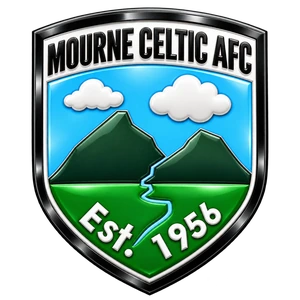
The club badge carries Est. 1956, giving Mourne Celtic a strong heritage signal. The shield uses mountains, clouds, green ground and a river shape, with Mourne Celtic AFC written across the top of the crest.
That badge detail is useful because it gives the club more than a venue marker. It tells young players that the name has a long identity and a visual story attached to it.
FC name and AFC badge
The site record uses Mourne Celtic FC, while the crest reads Mourne Celtic AFC. Both point to the same club identity, and this overview uses the site title while respecting the wording carried on the badge.
For a parent or visiting team, the practical details matter most: Brickfield Park, Mourne Celtic, red colours, DDSL and the Dublin 12 location.
Red club colours
Mourne Celtic’s listed club colour is red. That gives the side a simple and visible match day identity, while away colour details should be confirmed with the club before travel.
Kit checks are worth doing early. If another team also wears red, coaches should agree the colour plan before players arrive at the pitch.
DDSL youth football setting
Mourne Celtic sits inside the Dublin and District Schoolboys and Schoolgirls League environment. That places the club within one of the main organised youth football structures in Dublin.
The DDSL setting matters because it gives players age group competition, regular opposition and a wider network of clubs. Families should still confirm the current team, coach and weekly routine before attending.
Boys and girls pathway
The club record carries a boys and girls pathway. That makes Mourne Celtic relevant to families looking for youth football opportunities across more than one route.
A parent enquiry should include the child’s year of birth, football experience, whether the enquiry is for boys or girls football and whether the child is new to organised training.
First visit checklist
A first visit should begin with a confirmed coach contact, meeting point and age group. Players should bring water, footwear suitable for the surface and weather layers for a Dublin park setting.
The first session should help a player settle. Parents can help by arriving early, staying calm and giving the child enough space to listen to the coach.
Public park football routines
A park venue needs shared care. Players and parents should keep the sideline tidy, respect other park users and follow any instructions about where to warm up or gather.
That behaviour helps the club keep a good relationship with the local area. It also gives young players a clear standard for how to treat community facilities.
Dublin 12 travel planning
Dublin 12 travel can be busy, especially around school and weekend football times. Families should leave enough time to park safely, find the correct pitch area and let players warm up properly.
Away teams should share the Brickfield Park location early and ask parents to arrive together where possible. Simple planning makes youth football days easier for everyone.
How to ask about joining
A good first message should be short and complete. Give the player’s name, year of birth, football experience, parent contact details and whether the family is asking about training, team football or a first trial session.
If the child is nervous or new to football, say that too. The club can then guide the family toward the right group and a sensible first step.
What parents should confirm
Parents should confirm the age group, meeting point, footwear, weekly communication route, registration steps and match day expectations before attending.
It also helps to ask how cancellations are shared. Weather and pitch changes can affect park football, so families should know where to check before leaving home.
For younger players
Younger players need simple goals: listen, join in, touch the ball often and enjoy being part of the group. Early football should build confidence as much as technique.
Parents should praise effort, bravery and teamwork. Children who feel supported are more likely to keep attending and keep learning.
For older youth players
Older Mourne Celtic players need stronger habits. Attendance, effort, warm up focus, respect for teammates and the ability to respond after mistakes all become more important as age group football develops.
A player who wants to improve should keep the basics sharp: first touch, passing, movement, fitness and attitude. Those habits help in every position.
Coaches and volunteers
Grassroots football depends on coaches and volunteers. A club based around youth teams needs adults who organise sessions, communicate with parents, set standards and keep children safe around the group.
Families can support that work by replying to messages, arriving on time, keeping gear organised and offering help when asked.
Respect around the pitch
Respect should be visible on match day. Players should respect teammates, opponents and referees, while parents should keep sideline language calm and supportive.
A positive sideline gives children a better chance to enjoy football. It also helps coaches teach without unnecessary pressure around the game.
The role of the crest story
The crest landscape is distinctive because it does not rely only on initials. The mountains, clouds and river give the badge a strong visual identity, while the 1956 mark gives it a sense of age.
For young players, that kind of crest can help build belonging. It gives them something recognisable to wear, draw and connect with when they think about the club.
Website and contact route
Mourne Celtic has a compact club website connected with the Drimnagh name. Families can use that route together with league and local contacts when trying to confirm the right squad.
A direct reply from a coach or organiser should always be treated as the final practical instruction before travelling.
Drimnagh and the wider D12 setting
The club website name connects Mourne Celtic with Drimnagh, while the venue anchor places the football at Brickfield Park in Dublin 12. That gives the club a practical south west Dublin identity for families and visiting teams.
A local setting matters because youth football works best when the weekly routine is manageable. Shorter journeys, familiar roads and a clear park location help children arrive calmer and ready to play.
Red kit identity on busy weekends
Red is a strong and easy colour to recognise, but it also needs simple planning on busy weekends. Coaches should confirm whether the red kit is suitable or whether an alternative is needed against the opposition.
Parents can help by checking colour instructions before leaving and keeping spare layers separate from the playing kit. That avoids confusion when players are changing quickly at the ground.
Weather and surface planning
Park football can be affected by rain, cold wind and changing ground conditions. Players should bring water, suitable footwear, shin pads where required and warm layers for the time before and after activity.
Families should check messages before travel if the weather is poor. A quick confirmation can prevent wasted journeys and helps coaches organise the group properly.
Age group checks
Age group checks are important at the start of every season. A child’s year of birth, school year and football experience all help a club decide where the player should begin.
Parents should avoid guessing the correct squad. A short message with the child’s details lets the organiser direct the family to the right group and keeps sessions from becoming overcrowded or mismatched.
Building confidence through routine
Confidence often grows from routine. Players who know when to arrive, where to stand, what to bring and how the coach starts a session usually settle faster.
That is why practical details matter as much as football detail. A clear weekly routine gives young players space to focus on touches, movement, friendship and learning.
Parent communication habits
Parents should keep communication simple and reliable. Reply when a coach asks for availability, give early notice if a player cannot attend and avoid leaving questions until the last few minutes before a session.
Good communication helps coaches plan numbers, equipment and team balance. It also teaches children that being part of a team includes responsibility away from the ball.
What a good first month looks like
A good first month is not only about selection or scores. It should help the player understand the coach, learn the routine, meet teammates and feel more confident with the ball.
Parents should look for steady signs: the child knows where to go, joins in more quickly, listens for instructions and leaves wanting to return. Those signs often matter more than early performance.
Keeping the badge standards visible
The Mourne Celtic badge gives players a visible identity, and that identity should be matched by behaviour. Players should be ready to work, listen and treat the game with respect.
A club culture is built through small repeated moments. Turning up prepared, encouraging teammates and accepting decisions all help young players understand what wearing the badge should mean.
Live team area
The live team area below can connect Mourne Celtic FC with linked Irish Youth Football team records. It can help families see current squad connections where the site has them.
Those live links should be used for orientation. Training times, coaches and meeting points can change, so families should confirm current details before attending.
Match day preparation
Players should arrive ready to warm up, listen and represent the badge well. They should have boots, shin pads where required, water and enough layers for waiting time before and after the game.
Parents can help by checking messages before travel, keeping younger players close and making sure the coach knows if a player will be late.
For visiting coaches
Visiting coaches should use Brickfield Park and D12 FX97 as the location anchor, then confirm pitch position and colour arrangements before setting off.
On arrival, keep players together, check the warm up area and make sure parents know where the group will meet after the game. That keeps the visit orderly and respectful.
Development over the score
Youth football should be judged by development as well as the score. A good season can include better confidence, better ball control, better teamwork and stronger habits around training.
Players who keep learning from each session usually get more from football. Coaches and parents can reinforce that by asking what improved, not only what happened in the match.
Keeping details current
The stable details are Mourne Celtic, Brickfield Park, D12 FX97, red colours, DDSL and the boys and girls pathway. Those points give families and visiting teams the information they need first.
Season routines can change. Before travelling, confirm the group, time, surface, colour plan and coach contact so the visit starts smoothly.
What defines Mourne Celtic
Mourne Celtic FC is defined by its Dublin 12 base, Brickfield Park home, red colours, boys and girls youth pathway, DDSL setting and a mountain crest carrying Est. 1956.
That combination gives the club a practical and memorable identity: a clear place to go, a clear colour to recognise and a badge story that young players can understand.