Amber and black by the coast.
Portmarnock AFC brings the village, Paddy’s Hill, academy football, girls and boys pathways, senior teams and community events into one north Dublin club story.
Portmarnock football identity
Portmarnock AFC represents one of the clearest coastal football identities in north county Dublin. The club name, amber and black colours, tower crest and sea edge setting all point back to a community that sits between village streets, beaches, dunes and Dublin Bay football routes.
That identity matters for families choosing a football home because Portmarnock is more than a single team name. It is a local pathway for young players, adult players, returning players, volunteers and visiting sides who connect Paddy’s Hill with the wider Fingal football map.
Founded in 1979
The club was founded in 1979 and began life under the Portmarnock Soccer Club name. That starting point gives the modern Portmarnock AFC story a clear community base before the club grew into the larger football organisation now associated with Paddy’s Hill.
The 1979 foundation also gives context to the club crest and its settled place in Dublin football. A family joining today is entering a club with decades of local memory, not a recent football project with shallow roots.
First senior team in 1982
A first senior team followed in 1982, which is an important marker in the club’s growth. It shows how Portmarnock moved from early local football into a structure that could support adult football as well as school age development.
That senior base still gives the pathway extra meaning. Younger players can see football continuing beyond academy sessions and school age leagues, while adult teams help keep the club connected to former players, parents, coaches and the wider community.
Large membership base
Portmarnock AFC has grown to more than 1,000 members, which makes depth one of the defining features of the club. A membership base of that size usually brings a broad mix of players, coaches, parents, helpers and committee roles around a shared football setting.
For a new family, that scale means the club can offer more than one touchpoint. There are entry points for young children, structured youth football, girls football, boys football, senior football, community activity and volunteer involvement.
Teams across the pathway
The club pathway covers senior football, boys football, girls football and Nippers Academy activity. That range is central to Portmarnock’s role because it gives players a place to start, learn, stay, move between age groups and keep playing as their needs change.
The best way to understand Portmarnock AFC is as a club built around continuity. The academy introduces the youngest players, age grade teams build weekly habits, girls and boys routes widen participation, and senior football keeps the pathway visible.
Nippers Academy role
Nippers Academy is the natural starting point for many young Portmarnock players. It gives children an early football environment before the rhythm of team squads, league calendars and regular match days becomes the main focus.
That early step is especially useful in a large club because it helps families enter the club gradually. Children can learn the basics, parents can understand the club routine, and coaches can support players before they move into older age groups.
Girls football at the club
Girls football is part of the club’s pathway rather than a side note. The Mini Leagues structure includes girls groups, and the wider club pathway gives girls a visible route through regular football in Portmarnock.
For families comparing local options, that matters because girls should be able to see a place for themselves at the club from the first contact. Portmarnock’s football offer is stronger when girls participation is treated as part of the main club story.
Boys football pathway
Boys football remains a major part of Portmarnock AFC activity, with school age football feeding the weekly rhythm of training, matches and development. The club’s location helps it serve families from Portmarnock and nearby north Dublin communities.
The pathway is practical as well as competitive. It gives players regular coaching, clear age group steps and familiar club standards, while also giving parents a structured way to stay connected with team communication and match day routines.
DDSL route
Portmarnock AFC is part of the Dublin District Schoolboys and Girls League environment, which places its youth football inside one of the most active school age football structures in the country. That gives the club a clear route for weekly youth competition.
The league route is best used as a live football layer around the club story. Team and match details change across the season, while the club’s deeper identity is built from its history, location, colours, facilities, academy work and volunteer standards.
Paddy’s Hill home base
Paddy’s Hill is the main Portmarnock AFC football base and the venue name most closely tied to the club. It gives the club a recognisable meeting point for players, parents, coaches and visiting teams heading to football in Portmarnock.
The ground also gives the club its local feel. It connects the club to the village, the coastline and the family routines that surround youth football each week, from arrival times to equipment checks and post match conversations.
Carrickhill pitch context
Carrickhill is also part of the practical Portmarnock football picture. Families may see it mentioned in club guidance, especially around facility care and how visitors should treat the spaces used by teams.
The useful point for new visitors is simple: check the team communication before travelling, respect the ground in use on the day, and follow the same standards whether the session is at Paddy’s Hill, Carrickhill or another Portmarnock football setting.
Amber and black colours
Portmarnock AFC’s colours are amber and black, with black also noted as an away colour. The combination is one of the easiest ways to recognise the club and carries through the crest, kit identity and match day look.
Colours are a small detail that become important across youth football. They help young players feel part of a team, make visiting sides easy to identify, and give the club a shared visual language across age groups.
Crest details
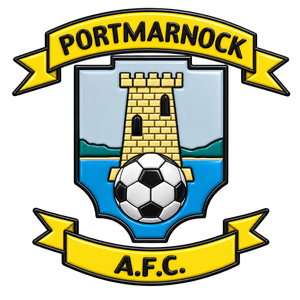
The Portmarnock crest brings together the club name, amber banners, a tower, coastal tones and a football. Those details make the badge feel tied to place rather than generic football branding.
The tower and sea colours help explain the club’s identity quickly. They connect football to the town’s coastal setting and give players a badge that reflects where they play, train and represent their community.
Mini Leagues tradition
The Portmarnock AFC Mini Leagues give the club a major community touchpoint for younger players. The format is built around fun, inclusion and end of season football rather than treating every child’s first club memories as a pressure event.
Recent Mini Leagues planning includes boys and girls groups across younger birth years, which helps the event serve a broad family audience. It gives children a festival style football experience while keeping them connected to the club setting at Paddy’s Hill.
Mini Leagues practical routine
The Mini Leagues guidance is useful because it shows how the club wants families to prepare. Players are expected to arrive with boots or suitable runners, shin pads, football socks, shorts and water, with names placed on water bottles to reduce lost items.
The event is played on grass rather than Astro, so footwear and weather planning matter. The advice around shade, wet weather and limited shelter helps parents prepare children properly before they arrive at the ground.
Five a side format
The Mini Leagues format has included five a side football, roll on and roll off substitutions, short games and child friendly pitch rules. Those choices are designed to keep players involved and to reduce long spells standing still.
Rules such as retreat lines and controlled restarts help younger players develop confidence on the ball. They also make the games easier for new players, because the format encourages participation instead of rushing every moment into a physical contest.
Match day kit expectations
Portmarnock’s parent guidance gives clear match day standards. Players are expected to bring the correct football gear, including boots or suitable runners, shin pads and their own water bottle, with warmer base layers allowed when weather requires them.
The same guidance asks families to think about the whole team look. Plain black socks, black shorts with the club crest where required, club tracksuits when bought, and sensible cold weather items all support a consistent match day standard.
Parent communication
The club places value on simple communication habits from parents. Arriving on time, responding to team messages and keeping coaches informed are all part of making sessions and matches run smoothly.
Those expectations are not just admin details. At youth football level they protect coaching time, reduce confusion for children, help team managers plan properly and make match days easier for visiting teams as well as home families.
Sideline standards
Portmarnock’s conduct guidance is clear that children play football for skills, fun and enjoyment. Parents are expected to support that by encouraging players, applauding good sportsmanship and welcoming opponents.
That approach is especially important in a large youth club. The tone on the sideline shapes the player experience, and positive adult behaviour helps young footballers stay confident enough to learn from mistakes as well as good moments.
Child welfare standards
The club’s code of practice is based around what is best for the child or young person, taking account of development stage and ability. That gives the football programme an important welfare frame as well as a coaching frame.
Integrity, respect and a safe, positive atmosphere are central themes. The club’s guidance is also clear that abuse is unacceptable, and that children’s officers have a role in supporting the standards expected around young players.
Facility care at Paddy’s Hill
Facility care is part of the Portmarnock routine. Families are asked to respect the club grounds, keep spaces clean and use bins, because a busy membership base depends on shared responsibility for the football environment.
Paddy’s Hill guidance also includes clear ground rules around smoking, vaping and dogs inside the gates. These practical standards help keep the space safer, cleaner and more comfortable for children, parents, coaches and visitors.
Visiting team notes
For visiting coaches, Paddy’s Hill should be treated as a busy youth football venue where preparation matters. Confirm the pitch, arrival time and team meeting point before travel, and remind players and parents about basic ground care.
Visitors should expect a club environment with strong youth football habits. Respect for opponents, patience around parking and clean sideline behaviour all help the day run well for both clubs.
Walking football activity
Portmarnock AFC activity is not limited to children and senior teams. Walking football has been part of the club’s community football offer, giving older adults a way back into regular sport in a lower impact format.
That kind of activity expands the club’s role in the area. It shows football working as community health, social connection and continued participation, not just a pathway for young competitive players.
PSLC connection
The Portmarnock Sports and Leisure Club setting is part of the wider activity map around the club, especially for community football and all weather pitch use. It adds another local facility reference point for people following Portmarnock football activity.
For families, the main point is to check the specific venue for the session they are attending. Portmarnock football activity can involve more than one local location, so team communication remains the best practical guide on the day.
Family football events
Family football activity has remained part of the club calendar, including community days built around games, fundraising and social connection. These events give the club a different rhythm from league football and training nights.
For parents and younger players, family events can make the club feel less intimidating. They create space to meet other families, support club fundraising and see the wider volunteer effort behind weekly football.
Fundraising culture
Golf days and other fundraising activity form part of the Portmarnock AFC support network. They help keep the club connected to parents, former players, local businesses and people who want to back football in the area.
Fundraising is not just about one event. In a large club, it supports the practical needs that sit behind the football: equipment, facility care, events, volunteer projects and the steady work needed to keep teams active.
Contact routes
Portmarnock AFC has clear online routes for families who need club contact, registration guidance or team communication. The main club contact email is part of that picture, with youth football administration also using a dedicated DDSL contact route.
For new families, the best approach is to use the club channel that matches the question. General club contact, academy interest, Mini Leagues questions and youth league administration may not always be handled by the same person.
Social updates
The club maintains social update routes across major platforms, which helps families follow announcements, events and community activity between training nights. These channels are especially useful during busy seasonal periods.
As with any large youth club, short notice updates can matter. Weather, venue changes, event reminders and registration windows are easier to manage when families follow the club communication route used for their team or age group.
How to read the live team area
The live team area should be used for current team and match detail, because those items change during the season. The editorial information here focuses on the parts of Portmarnock AFC that remain useful beyond a single weekend.
That split keeps the club story clear. Use the live football modules for current team activity, and use this section to understand the club’s history, pathway, facilities, colours, conduct standards and community role.
What defines Portmarnock AFC
Portmarnock AFC is defined by a long local history, a large membership base, amber and black colours, coastal identity, Paddy’s Hill football, academy access and a pathway that includes boys, girls and senior football.
The club’s strongest feature is its breadth. It can introduce young children to football, keep school age players active, support adult football, involve families through events and keep community participation visible across Portmarnock.