Red and blue football by the Portrane coast
Portrane Athletic FC gives north County Dublin players a coastal football identity, with academy activity, DDSL youth links, red and blue colours, and a pitch base at Portrane Avenue.
Coastal north Dublin football identity
Portrane Athletic FC is a north County Dublin football club with a red and blue identity and a coastal badge that reflects the Portrane setting. The club is connected with Portrane Avenue, Portraine Demesne and the K36 N7Y5 eircode.
For families, the important starting point is clear: Portrane has a named pitch address, a direct web contact route, DDSL youth football links, academy activity and a club structure that includes committee and football operations contacts.
Portrane Avenue pitch address
The club lists Portrane Athletic Football Club, Portrane Avenue, Portraine Demesne, Portrane, County Dublin, K36 N7Y5 as the pitch location. That gives visiting teams a practical target for match day travel.
Families should still confirm the exact pitch and meeting point before setting off. Local grounds can have several approach points, and younger players need simple arrival instructions.
Red and blue colours
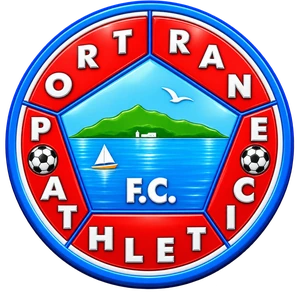
Portrane Athletic’s club colours are red and blue. The colours are also central to the crest, where a bright red outer ring and blue trim frame the coastal scene.
Those colours are useful for match day recognition, but coaches should still confirm kit arrangements before travel. If another team also wears red or blue, colour planning should happen early.
Badge and local landscape
The Portrane crest is built around a sea and island scene, with a sailboat, football icons and F.C. in the centre. It gives the club a strong coastal character rather than a generic badge.
That local visual identity matters for young players. A child wearing the crest can connect the football club with the place they know around Portrane, the sea and the wider Fingal coast.
Academy every Sunday
The club promotes academy activity every Sunday. That gives younger players and new families a clear entry point into the club routine.
Academy football should be about enjoyment, movement, basic ball contact and learning how to listen in a group. The first goal is to help children want to come back.
DDSL pathway
Portrane Athletic is connected with the Dublin and District Schoolboys and Schoolgirls League environment. That gives the club organised youth football links across Dublin and a route for age group competition.
The current connected pathway is framed around boys football, while the broader DDSL environment is the schoolboy and schoolgirl structure. Families should confirm the correct current group before attending.
Football operations and committee structure
Portrane separates club committee, football operations and academy responsibility. That structure is useful because it tells families that the club is organised beyond a single team contact.
A clear structure helps with practical questions: who runs academy activity, who manages football matters and where a parent should go for team contact information.
Governance and safeguarding
The club presents governance and safeguarding material, including constitution, child safeguarding and volunteer recruitment material. That gives parents a useful signal about the club’s responsibilities around young players.
For families, safeguarding should feel practical. Parents should know who is responsible for a group, how communication works and where to raise a concern if something is unclear.
Club honours snapshot
Portrane’s listed honours include a senior AFL Loftus Cup win, an AFL Over 35s Sunday Premier league win in 2013 and youth honours across NDSL age groups.
Those honours show that the club has had activity beyond one age band. Senior, over 35 and youth references all sit within the wider Portrane Athletic story.
Youth success markers
The club honours include an under 16 B NDSL league title in 2022, a cup final runner up place in the same year, under 10 league and cup success, under 10 Topflight Dublin cup success and an under 11 Premier runner up season in 2012 to 2013.
These details matter because they show a history of youth teams competing strongly. They also give younger players examples of teams that wore the same colours and built shared moments together.
Manchester Cup representative note
The honours list also names under 11 and under 12 NDSL representatives from Portrane Athletic who were winners of the Manchester Cup for a second year running in 2013 and 2014.
Representative moments like that can inspire younger players without creating pressure. The first step is still to train well, enjoy the game and build the habits that make later opportunities possible.
First visit for academy families
A first academy visit should begin with a confirmed time, meeting point and coach contact. Parents should bring water, suitable footwear and warm layers for coastal weather.
Younger children may need time to settle. Keep the first session simple: arrive early, meet the coach, help the child listen and encourage effort rather than performance.
First visit for team football
For older players, a first visit should include the player’s year of birth, recent football experience and the family’s availability. That helps the club point the player toward the right team contact.
A player should be ready to warm up, listen and join in. The first session is as much about attitude and fit as it is about ability.
Pitch travel and parking
Portrane Avenue gives a clear destination, but match day travel still needs planning. Families should leave enough time for the final approach, parking and walking to the correct pitch area.
Visiting coaches should share the K36 N7Y5 eircode early and ask parents to confirm they know the meeting point. That keeps young squads together before warm up.
Coastal weather preparation
Portrane’s coastal setting can bring wind, damp air and quick weather changes. Players should bring layers, water and the right footwear, while parents should be ready for a cooler sideline than inland conditions suggest.
Simple preparation matters. Label jackets, keep gear together and check messages before leaving if weather may affect training or match day plans.
Parent communication
Parents should keep communication clear and early. Reply when a coach asks for availability, give notice if a player cannot attend and ask questions before the final minutes before travel.
Good communication helps coaches plan numbers, equipment and team balance. It also makes the experience calmer for children who rely on adults to know the routine.
Respect for the ground
Every club ground depends on care from the people using it. Players and parents should leave the area tidy, respect neighbours and follow instructions about warm up areas, parking and access.
That standard matters because youth football is part of local community life. A clean, respectful sideline helps the club maintain good relationships around the ground.
Match day standards
Players should arrive ready to listen, warm up and represent the badge well. Respect for teammates, opponents, coaches and referees should be part of the match day routine.
Parents set much of the sideline tone. Encourage effort, let coaches coach and keep the focus on learning as well as competition.
Player development view
A young Portrane player should be encouraged to improve step by step. Better first touch, better passing, stronger movement and more confidence are all signs of progress.
The score is only one part of youth football. Development also shows in attendance, attitude, teamwork and the player’s willingness to learn after mistakes.
For visiting coaches
Visiting coaches should confirm the pitch address, colour plan and arrival time before travel. Portrane Avenue and K36 N7Y5 are the location anchors, but final meeting instructions should come from the home contact.
On arrival, keep players together, check the warm up space and make sure parents know where to collect younger players after the game.
Teams and contacts area
The club keeps a teams and contacts route for families. That is useful for parents because the right contact can vary by age group, academy activity or adult football route.
A new enquiry should be directed to the right person rather than sent broadly. Include the player’s year of birth, experience and preferred contact details so the club can respond with the right next step.
Committee visibility
Portrane separates executive committee details from football operations. That makes the club easier to understand because governance and football delivery are not treated as the same job.
For families, visible structure helps when a question is not only about one training session. It shows there are routes for football, administration and club responsibility.
Academy leadership
The academy has a named director role in the club structure. That matters because academy activity needs clear responsibility, especially when very young players and new families are involved.
A well organised academy should make first contact simple, explain what children need to bring and help parents understand whether the child is ready for weekly football.
Pitches and place identity
The pitch address connects Portrane Athletic to Portrane Avenue and Portraine Demesne. That gives the club a clear place identity on the peninsula rather than a generic Dublin label.
The crest reinforces the same idea through its sea, island and sailboat scene. Ground, badge and colours all point back to the local coastline.
Instagram and Facebook updates
The club links to Instagram and Facebook channels. Those channels are useful for reminders, contact routes and community updates, especially when parents are checking activity during a busy week.
Social updates should still be followed by direct confirmation for a first visit. A coach or organiser should confirm the age group, time and meeting point before a family travels.
Safeguarding for parents
The safeguarding and volunteer material is especially important for parents of young players. It shows that the club gives attention to how adults join, support and work around children.
Parents should know the basic routine for drop off, collection, communication and concerns. Clear routines keep children safer and make the football experience calmer.
Adult football links
The honours list includes adult references through AFL football and over 35 football. That gives Portrane more than a youth only identity and shows that adults have also carried the club colours.
Adult football can support youth football by keeping older players, coaches and local supporters connected to the same badge. It helps a club feel like a full community rather than a set of isolated squads.
Honours across generations
The listed honours stretch across different parts of the club: youth NDSL teams, senior AFL football, over 35 football and representative players. That variety gives the story a broader arc.
For young players, the message is that the same club can offer different types of football achievement. Some moments come through a team season, some through cups and some through players representing wider squads.
New family orientation
A new family should first learn the venue, the contact route, the right age group and the weekly communication pattern. Those basics are more useful on day one than trying to understand every team in the club.
Once the child settles, the family can learn more about academy, team football, match days and club routines. A gradual start keeps the experience manageable.
Coastal match day setting
A coastal club has a different match day feel. Wind, damp air and open skies can shape training and sideline comfort, so preparation matters more than families sometimes expect.
That setting can also be part of the attraction. A local football ground near the coast gives Portrane Athletic a sense of place that many inland clubs do not have.
Using the live team area
The live team area below can connect Portrane Athletic FC with linked Irish Youth Football teams. It is useful for orientation where squads have already been connected.
Families should still confirm the current team, coach and weekly routine directly with the club before travelling. Age groups and contacts can change across a season.
What defines Portrane Athletic
Portrane Athletic FC is defined by its coastal Portrane identity, red and blue colours, Portrane Avenue ground, academy activity, DDSL youth football and a history that includes youth and adult honours.
That makes the club useful to new families and visiting teams. The map explains where to go, the colours explain what to expect, and the pathway detail explains how young players can begin.